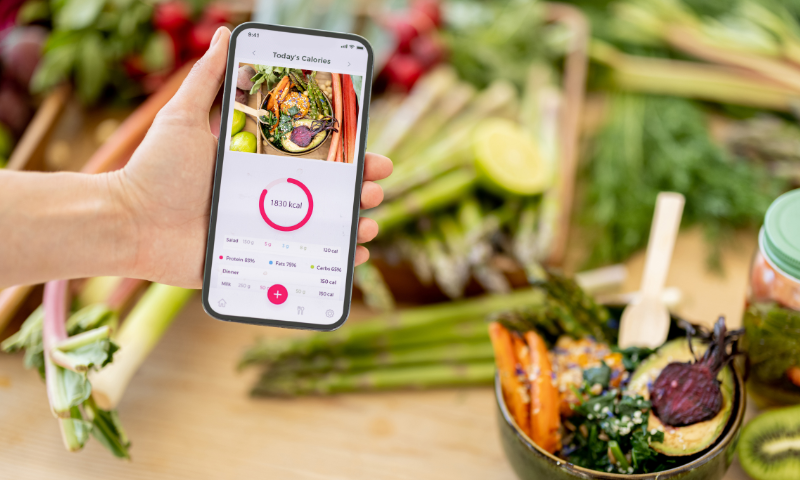
In today's fast-paced world, it can be easy to lose track of what we are eating and how much. This lack of awareness can lead to overeating, weight gain, and a host of health issues. One effective tool to combat this is a food calorie tracker. By using the best food calorie tracker, you can become more mindful of your eating habits, make healthier choices, and ultimately achieve your weight loss goals more effectively. Let's explore some of the benefits of using a food calorie tracker for mindful eating and weight loss.
The Benefits of Mindful Eating
1. Increased Awareness
- Using a food calorie tracker helps you become more aware of what you are eating on a daily basis.
- You can track your caloric intake and make adjustments as needed to stay within your weight loss goals.
2. Improved Portion Control
- With a food calorie tracker, you can see how much you are eating in relation to your daily caloric needs.
- This can help you practice portion control and prevent overeating, leading to weight loss.
The Role of a Food Calorie Tracker
1. Tracking Caloric Intake
- A food calorie tracker allows you to input the foods you eat and their portion sizes to calculate your total caloric intake.
- This helps you stay accountable and mindful of the calories you consume throughout the day.
2. Setting Realistic Goals
- By tracking your caloric intake with a food calorie tracker, you can set realistic weight loss goals based on your daily caloric needs.
- Having specific goals can motivate you to make healthier food choices and stick to your weight loss plan.
Tips for Using a Food Calorie Tracker
1. Choose a User-Friendly App
- There are many food calorie tracker apps available, so choose one that is easy to use and suits your needs.
- Look for features like barcode scanning, meal tracking, and goal setting to make tracking your calories simple and efficient.
2. Be Consistent
- Consistency is key when using a food calorie tracker.
- Make it a habit to log your meals and snacks every day to get the most benefit from tracking your caloric intake.
Conclusion
Using a food calorie tracker can be a game-changer when it comes to mindful eating and weight loss. By increasing your awareness of what you are eating, improving portion control, and setting realistic goals, you can make healthier choices and achieve your weight loss goals more effectively. Remember to choose a user-friendly app, be consistent with tracking your meals, and stay motivated on your journey to a healthier lifestyle. Start using a food calorie tracker today and see the positive impact it can have on your eating habits and overall well-being.